
Citric Acid 50g Food Grade – Nimbusat for Culinary & Household Use


From the same category


Citric Acid 50g Food Grade – Nimbusat for Culinary & Household Use
Citric Acid 50g (Nimbusat) | Food Grade | Natural Sourness Regulator
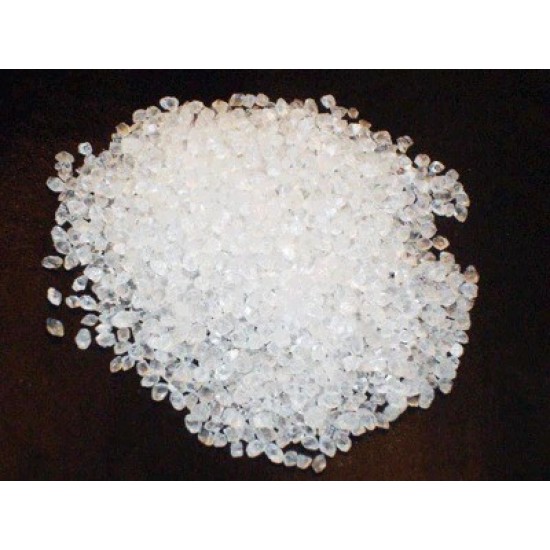
Citric Acid, commonly known in India as Nimbusat, is a natural food-grade acid widely used in cooking, baking, food preservation, and household applications. Dry Fruit Hub Citric Acid 50g is premium quality, food-grade citric acid powder, hygienically packed to ensure purity, freshness, and safety. It naturally occurs in citrus fruits like lemons and oranges and is responsible for their characteristic sour taste — in powdered form, it's a concentrated, convenient way to add tanginess or acidity to recipes without using fresh citrus.
What Makes Dry Fruit Hub Citric Acid Different
- ✅ 100% Food-Safe — free from impurities, suitable for daily culinary use
- ✅ Fine Powder — dissolves easily in both hot and cold preparations
- ✅ Multi-Purpose — culinary, baking, preservation & household use
- ✅ No Added Colours or Chemicals
- ✅ Suitable for Vegetarian & Vegan Diets
- ✅ Hygienically Packed in an ISO Certified Facility
Culinary & Food Uses
Citric acid powder is commonly used to add a tangy flavour to foods and beverages. It's a popular ingredient in pickles and chutneys, jams, jellies, and sauces, candies and confectionery, soft drinks, juices, and sherbets, and baking recipes to balance sweetness. It also acts as a natural preservative, helping extend shelf life by preventing bacterial growth — often used in homemade food preparations where freshness needs to be maintained without artificial preservatives.
Citric Acid vs Vinegar vs Fresh Lemon — Which Souring Agent for Your Recipe?
| Souring Agent | Flavour Impact | Shelf Stability | Best For |
|---|---|---|---|
| Citric Acid (this pack) | Pure sourness, no added flavour | Long shelf life, no refrigeration | Pickling, preserving, precise dosing |
| Vinegar | Tangy with distinct vinegar note | Long shelf life | Pickling, dressings, marinades |
| Fresh Lemon Juice | Fresh citrus flavour | Short shelf life, needs refrigeration | Fresh dishes, drinks, immediate use |
Who Should Buy This Pack
- Home cooks making pickles, chutneys, jams, or candies needing precise acidity
- Bakers wanting a measured souring agent for specific recipes
- Anyone preparing homemade soft drinks, sherbets, or flavoured syrups
- Households wanting a natural alternative to harsh chemical descaling agents
Perfect for: Pickles & Chutneys | Jams, Jellies & Sauces | Candies & Confectionery | Soft Drinks & Sherbets | Baking & Preservation | Descaling & Cleaning
How to Use Citric Acid — Best Practices
⚠️ Note: A little goes a long way — citric acid is far more concentrated than lemon juice. Start with a small pinch and adjust to taste rather than substituting it 1:1 for fresh citrus.
- Dissolve in Liquid First: For drinks and syrups, dissolve the powder in a small amount of water before adding to the full recipe for even distribution.
- Use Sparingly in Cooking: Add a small pinch at a time to pickles, chutneys, or sauces, tasting as you go.
- Mix into Baking Recipes: Combine with other dry ingredients before adding wet ingredients for balanced sweetness.
- For Household Cleaning: Keep a separate container clearly labelled if using for descaling or cleaning — do not reuse the same container for food preparation.
Easy Ways to Use Citric Acid
Idea 1: Homemade Lemon Sherbet
Mix a small pinch of citric acid with sugar and water for a tangy, refreshing sherbet base — adjust sourness gradually to taste.
Idea 2: Quick Pickle Brine
Add a pinch of citric acid to a vinegar-based pickle brine for extra tang and to help preserve freshness for longer.
⚠️ Important Safety Note
Citric acid is a concentrated compound — never consume it directly or undiluted, as this can cause mouth, throat, or stomach irritation. Always dissolve or mix it into food or liquid as part of a recipe, in small measured amounts. If using citric acid for household cleaning or descaling, keep it in a clearly labelled, separate container from any used for food preparation to avoid cross-contamination. Keep out of reach of children, as the powder can cause irritation if it contacts eyes or is inhaled in concentrated form. Not a substitute for medical advice — if accidental ingestion of a large quantity occurs, seek medical attention.
Explore more: Baking Soda 250g | Agar Agar Powder 100g | Active Dry Yeast 150g
❓ Frequently Asked Questions
Q1. What is Citric Acid (Nimbusat)?
Citric acid is a natural food-grade acid that occurs in citrus fruits like lemons and oranges. In powdered form, commonly called Nimbusat in India, it's used as a souring agent, acidity regulator, and natural preservative.
Q2. What is the difference between citric acid, vinegar, and fresh lemon juice?
Citric acid offers pure sourness with long shelf stability and precise dosing, vinegar adds tang with its own distinct flavour, and fresh lemon juice gives a fresh citrus taste but has a shorter shelf life — see the comparison table above.
Q3. Can I substitute citric acid for lemon juice in recipes?
Citric acid is much more concentrated than lemon juice, so it shouldn't be substituted 1:1. Start with a small pinch dissolved in liquid and adjust gradually to taste.
Q4. Is it safe to eat citric acid directly?
No — citric acid should never be consumed directly or undiluted, as this can cause mouth, throat, or stomach irritation. Always dissolve or mix it into food or liquid as part of a recipe in small measured amounts.
Q5. Can citric acid be used for both food and cleaning purposes?
Yes, citric acid is multi-purpose, but if using it for household cleaning or descaling, keep it in a separate, clearly labelled container from any used for food preparation to avoid cross-contamination.
Q6. How is citric acid used in pickles and preserves?
A small measured amount of citric acid is added to pickles, chutneys, jams, and preserves to balance acidity and help extend shelf life by preventing bacterial growth.
Q7. Is citric acid suitable for vegetarians and vegans?
Yes — citric acid is plant-derived (commercially produced via fermentation) and is suitable for vegetarian and vegan diets.
Q8. How should citric acid powder be stored?
Store in an airtight container in a cool, dry place away from moisture and direct sunlight to maintain its quality and prevent clumping.
Q9. What is the shelf life of citric acid powder?
Citric acid powder has a long shelf life when stored correctly in an airtight container — typically 2-3 years from the date of packing.
Q10. Can citric acid be used in homemade soft drinks and sherbets?
Yes — citric acid is commonly used to create the tangy taste in homemade soft drinks, sherbets, and flavoured syrups when dissolved properly into the liquid.
Q11. Is citric acid safe for children to consume in food?
Citric acid in small, properly diluted quantities within recipes is generally considered safe, but it should never be given to children directly or undiluted. Keep the powder itself out of reach of children.
Q12. Can citric acid be used in baking?
Yes — citric acid is sometimes used in baking recipes to balance sweetness and add a subtle tang, particularly in certain candy and confectionery recipes.
Q13. Does citric acid help food last longer?
Yes — citric acid acts as a natural preservative by lowering pH and helping prevent bacterial growth, which is why it's used in many homemade preserves and pickles.
Q14. How much citric acid should I use in a recipe?
This varies by recipe, but a good starting point is a small pinch (around 1/4 teaspoon) per cup of liquid, adjusted gradually to taste since it's quite concentrated.
Q15. Can citric acid be used for descaling kettles and taps?
Yes — citric acid is commonly used as a natural alternative to harsh chemical descalers for removing limescale and mineral deposits from kettles, taps, and utensils.
Q16. Is this product 100% pure with no additives?
Yes — Dry Fruit Hub Citric Acid is 100% food-grade, free from impurities, added colours, or chemicals.
Q17. Is this product suitable for bakeries and food businesses?
Yes — this pack is ideal for home kitchens, bakeries, food businesses, and DIY household applications needing reliable, food-grade citric acid.
Q18. What happens if citric acid contacts the eyes or skin in powder form?
Concentrated citric acid powder can cause irritation if it contacts eyes or is inhaled. Handle with care, avoid direct contact with eyes, and wash hands after handling.
Q19. Is this product ISO and FSSAI certified?
Yes — Dry Fruit Hub operates from an ISO 22000:2018 and ISO 9001:2015 certified facility and is FSSAI licensed (License No. 10019047001430).
Q20. Do you offer free shipping on this product?
Yes — we offer free shipping on orders over Rs.599. Please check the checkout page for current shipping details to your location.
About Dry Fruit Hub: Headquartered in Begum Bazar, Hyderabad — one of India's oldest and most trusted dry fruit markets — Dry Fruit Hub has been sourcing and delivering premium quality dry fruits, nuts, seeds, baking ingredients, and spices for over 20 years. ISO 22000:2018 & ISO 9001:2015 Certified. FSSAI Licensed. Trusted by households and businesses across India.